Compression Therapy for Sprinters
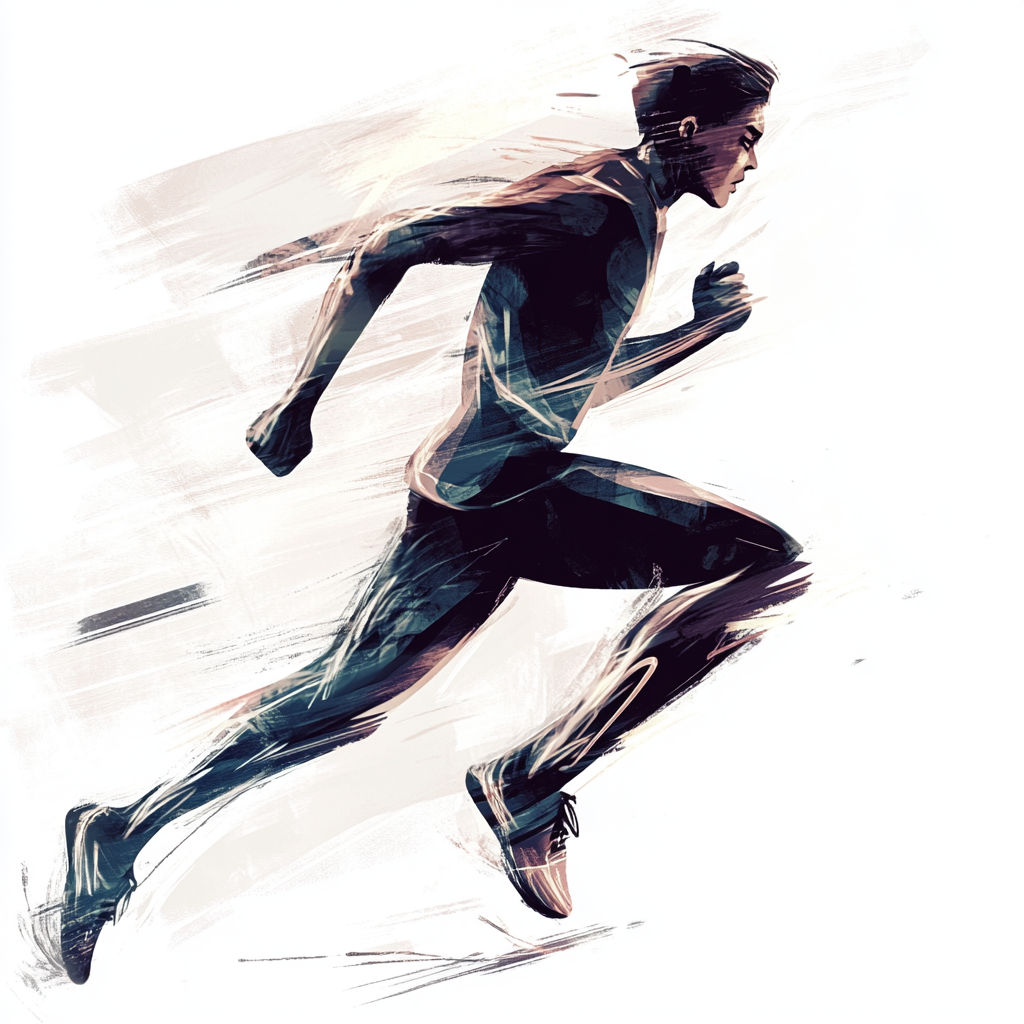
Compression Therapy for Sprinters: The Secret Weapon for Speed & Recovery
Picture this: You just crushed a brutal 200m sprint. Your legs feel like jelly, your heart’s pounding, and the lactic acid is throwing a full-blown party in your muscles. Now, what if I told you there’s a way to bounce back faster, reduce soreness, and maybe even shave milliseconds off your time? Enter compression therapy—the sprinter’s not-so-secret weapon.
Why Sprinters Are Turning to Compression
Think of compression gear like a gentle, full-leg hug. It’s not just about looking sleek in those tight sleeves (though, let’s be honest, it doesn’t hurt). Science backs this up: compression improves blood flow, reduces muscle vibration (which means less fatigue), and speeds up recovery. Elite sprinters like Usain Bolt have been spotted rocking compression socks mid-race—and if it’s good enough for the fastest man alive, it’s worth a look.
Real-life example: A college sprinter I worked with added compression tights to her post-workout routine. Within weeks, she reported less next-day soreness and hit a PR in her 100m dash. Coincidence? Maybe. But she’s not going back.
How Compression Works (Without the Science Lecture)
Here’s the simple breakdown:
- During the sprint: Compression gear stabilizes muscles, so they don’t waste energy wobbling around. Less wobble = more efficient power.
- After the sprint: It squeezes blood back up toward your heart, flushing out lactic acid and bringing in fresh oxygen. Goodbye, lead legs.
FAQs: Compression Therapy Unpacked
"Should I wear compression during or after my sprint?"
Both! Try sleeves or socks during for muscle support, and full tights after for recovery. Experiment to see what feels best.
"How tight is too tight?"
If it feels like a tourniquet, it’s wrong. You should feel snug support—not numbness. Pro tip: Check for medical-grade compression (measured in mmHg) for legit benefits.
"Can compression really make me faster?"
It won’t turn you into a superhero overnight, but by reducing fatigue and improving recovery, it lets you train harder, more often. And that’s where the speed gains happen.
One note: if you have any circulation issues, diabetes, or a clotting disorder, talk to your doctor before using compression garments—especially higher-pressure, medical-grade options.
The Bottom Line
Compression therapy isn’t magic—but it’s pretty darn close. Whether you’re chasing a podium finish or just want to walk normally after track practice, it’s a low-cost, high-reward tool. Slip on some sleeves, test it out, and let your legs thank you later.